
The Enduring Appeal of Glazed Tiles: Shine, Durability & Design Versatility
Glazed tiles are a cornerstone of interior design, beloved for their brilliant finish, immense versatility, and reliable durability. Found everywhere from the classic subway tile backsplash to the contemporary bathroom floor, glazed tiles owe their enduring popularity to a manufacturing process that locks in color, adds shine, and creates a tough, non-porous surface.
Understanding the unique properties of glazed tiles—how they are made, the different finishes available, and where they perform best—is key to choosing the perfect surface for your Florida home.
What is Glazed Tile? How is it Created?
All ceramic and most porcelain tiles start with a clay body, or bisque. A tile becomes “glazed” during a second phase of production, where a liquid glass compound is applied to the surface before the tile is fired in a kiln:
- The Glaze Application: A layer of vitreous (glass-forming) compound is spread over the face of the tile. This glaze contains color pigments, opacifiers, and fluxing agents.
- The Firing Process: The tile is subjected to intense heat in the kiln. This heat melts the glaze onto the clay body, creating a thin, hard, non-porous, and permanent glass coating that is chemically bonded to the tile.
- The Result: The glaze provides the tile with its final color, finish (matte or glossy), and, most importantly, its functional properties.
Glazed vs. Unglazed: The Crucial Difference
The distinction between glazed and unglazed tiles is critical for performance:
- Glazed Tiles: The glaze seals the tile body, making it non-porous, waterproof, and highly stain-resistant. The appearance is entirely dependent on the applied glaze, allowing for infinite colors and patterns.
- Unglazed Tiles: These tiles have no glass coating. Their color runs through the entire body (through-body). While they are highly durable and resist wear (because the color isn’t just on the surface), they are more porous and must be sealed to protect them from stains and moisture, particularly when used in wet areas.
The Power of the Finish: Glossy vs. Matte
| Finish Type | Aesthetic Quality | Key Functional Benefit | Where to Use |
| Glossy (High-Sheen) | Reflects light, creating a bright, dramatic, and luxurious look. | Easiest to clean and maintain; simply wipes clean. | Kitchen backsplashes, shower walls, low-traffic areas. |
| Matte (Dull/Flat) | Absorbs light, creating a soft, natural, and contemporary look. Often looks more like natural stone. | Superior slip resistance (less slick when wet). | Bathroom floors, busy entryways, laundry rooms. |
The final appearance of a glazed tile is determined by its finish, and each offers different benefits and challenges:When using glossy tiles on floors, caution is advised in wet areas, as the slick surface can be a slip hazard.
Matte glazed tiles, with their enhanced traction, are always the safer choice for bathroom and shower floors.
Versatility in Design and Application
Glazed tiles offer an unparalleled range of design possibilities, making them suitable for nearly every room in the house:
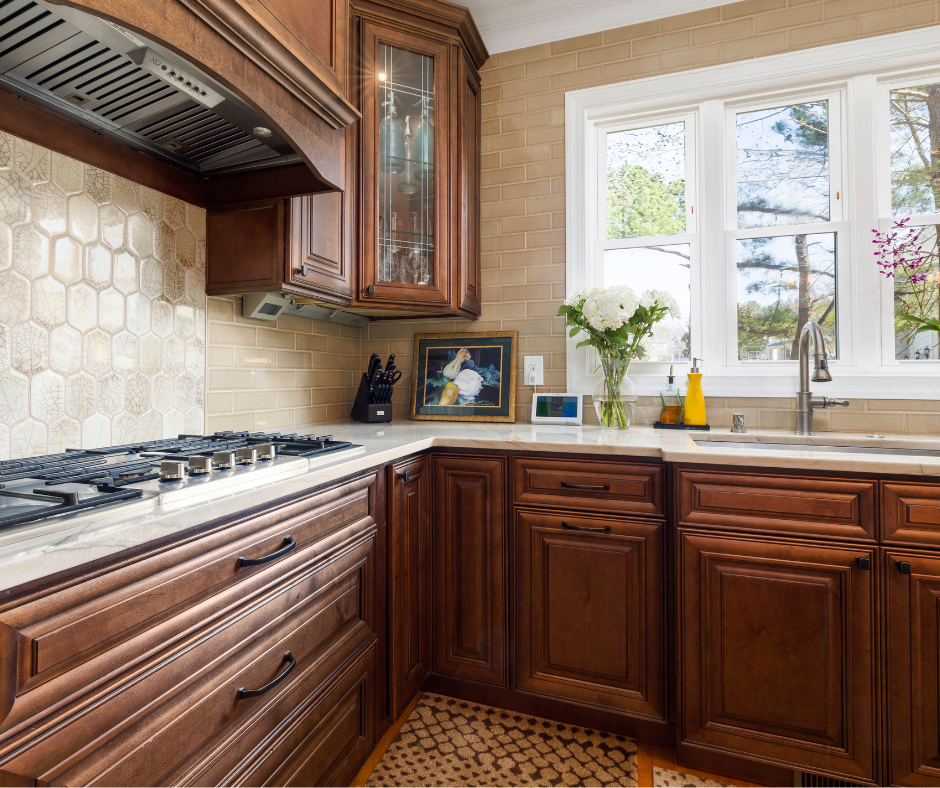
- Kitchen Backsplashes: Glazed subway tiles remain a classic, but modern trends utilize glossy glazed tiles in unique shapes (hexagons, diamonds) and bold colors (navy, emerald green) to create a striking, reflective focal point.
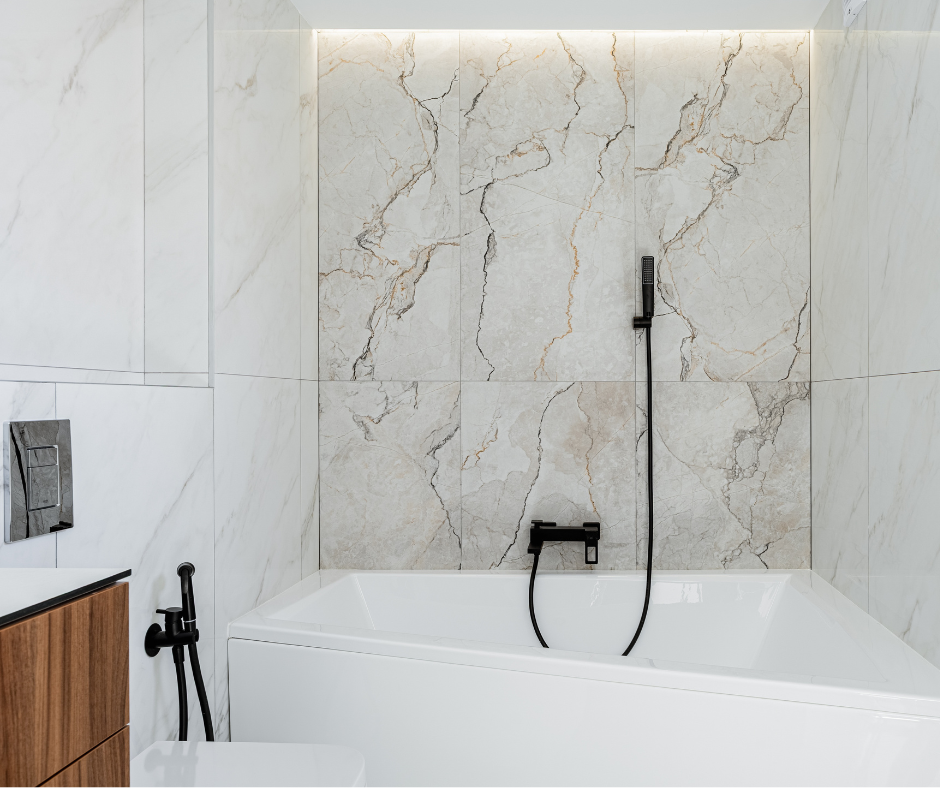
- Bathroom Walls and Tub Surrounds: Glossy, light-colored glazed tiles (white, gray) are the most hygienic choice here. The non-porous surface resists mold and mildew growth and handles soap scum beautifully.
- Flooring (Residential): Matte glazed porcelain is the workhorse of flooring. It offers the look of wood, concrete, or marble but with the scratch and water resistance of tile. This is a crucial feature in humid South Florida homes.
- Accent and Decorative Tile: The glazing process is what allows manufacturers to apply intricate, multi-color patterns to tiles, such as the popular encaustic or Moroccan-inspired designs, providing high visual impact in small doses.
Installation and Longevity
The durability of a glazed tile floor is only as good as its installation. The glaze, while tough, can chip if struck hard, exposing the clay body beneath. Proper installation, including a flat subfloor and adequate thin-set coverage, ensures the tile is fully supported and protected. Furthermore, while the tile surface is impervious, the grout lines will need sealing (unless using epoxy grout) to maintain the overall waterproof integrity of the installation.
Glazed tile offers the perfect blend of beauty and brawn. By selecting the right finish and ensuring professional installation, you can rely on this material to provide decades of elegant, low-maintenance service in your home.
Shop for Glazed Tiles for Your Bathroom Walls, Backsplash & More at Dolphin Carpet & Tile
Contact our team and visit the Dolphin Carpet & Tile showroom closest to you today: Coral Springs, Davie, Deerfield Beach, Doral, Fort Lauderdale, North Miami, Pembroke Pines, Pinecrest-Palmetto Bay, and West Kendall, FL.
For over 51 years in business, Dolphin Carpet & Tile has been synonymous with quality floor covering in South Florida. Our dedication to customer satisfaction has helped us grow into a market leader. We want all of our customers, past and present, to know that we appreciate their business.
As you have come to know, Dolphin Carpet & Tile provides more than outstanding products. We also offer superior professional sales assistance and installation services.